


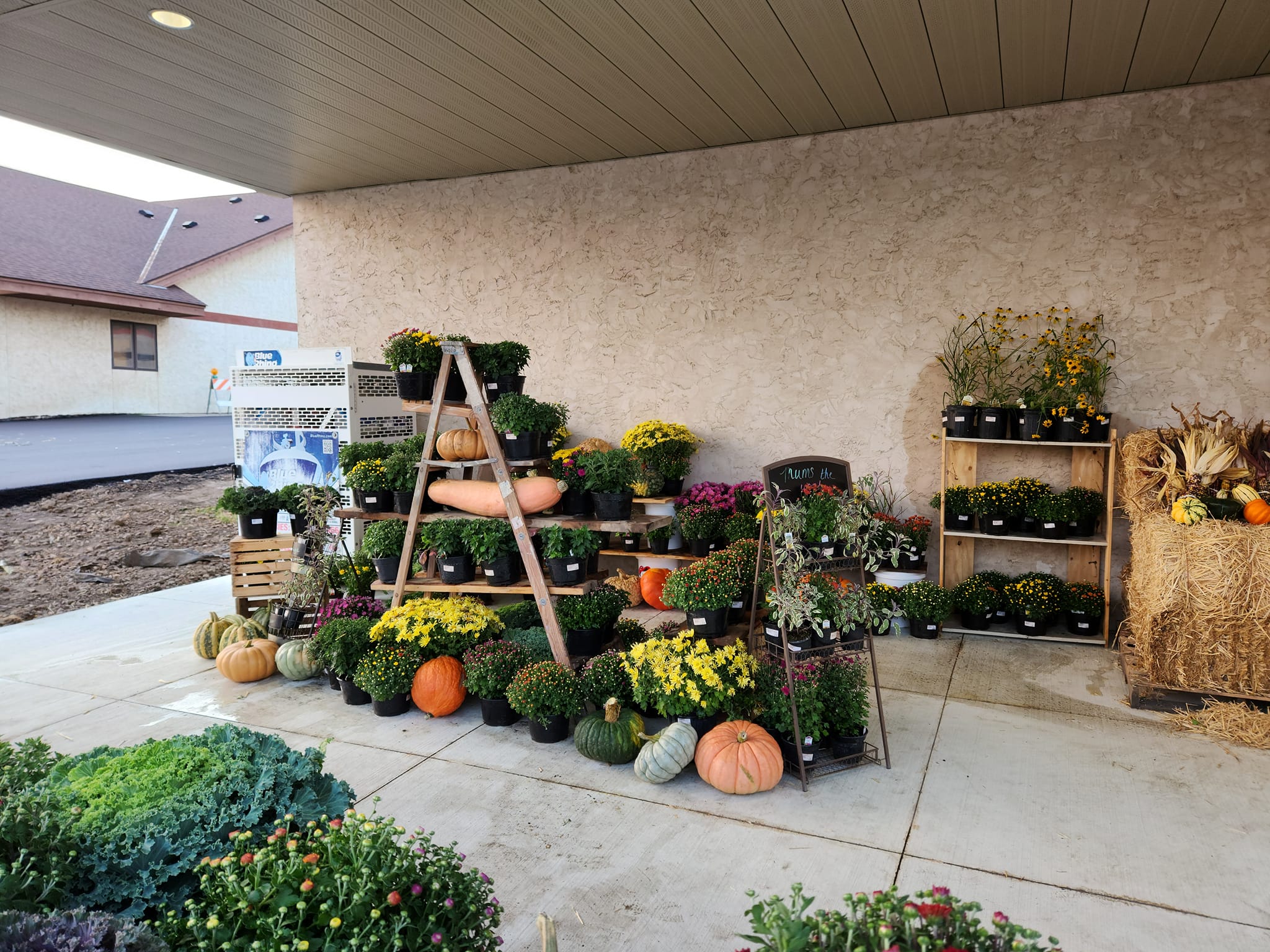


Every inch of your store holds potential. From the front door to the back wall, your layout, lighting, and product placement can either drive sales, or stall them. At Everson’s Hardware, we made intentional merchandising changes that not only improved the customer experience but increased sales across key departments. Here’s what worked—and how you can apply it in your store.
1. Map Out a Layout That Sells
Your floor plan isn’t just about products, it’s a silent salesperson. A well-designed layout leads customers through the store, increasing exposure to high-margin and high-demand items.
At Everson’s, we moved our anchor departments (plumbing and electrical) to the back, guiding customers through aisles of merchandise with higher-turn over. Our faster-turning items were placed in high-traffic zones. This reset led to a 12% increase in overall sales.
Quick tip: Position your most profitable products at eye level, on endcaps, and near the register. These high-visibility areas turn browsers into buyers.
We added themed displays at the entrance of the store, rotating frequently to feature seasonal items and new arrivals—keeping customers curious and coming back.
2. Less Clutter, More Clarity
Packing in more product doesn’t equal more profit. In fact, it often overwhelms shoppers. In order to create a more welcoming and high-end boutique feel, we kept the front of the store open and spacious. We trimmed down our SKU count in certain departments and focused on creating visually clean, easy-to-shop displays. The result? Higher sales with fewer items.
Quick tip: Don’t be afraid of white space. Not every nook, cranny or corner needs to be filled with merchandise. Use white space to your advantage, especially if there is a display you would like to highlight.
When we noticed declining sales in sporting goods and rising demand for grills and smokers, we pivoted. We scaled sporting goods back and added 12 feet of grilling accessories, boosting both customer satisfaction and department performance.
3. Light the Way to Higher Sales
Lighting does more than help customers see, it influences how they shop. We used warm lighting in our home decor area to make it feel inviting, and spotlighting to draw attention to featured displays.
Quick tip: Adjust lighting to match the mood of the merchandise. Soft, warm lighting for home goods, brighter lights for tools and hardware.
Adding a simple lamp to showcase new decor pieces instantly increased customer interaction with the display and the products within it.
4. Tell a Story with Every Display
People don’t just buy products, they buy solutions, experiences, and ideas. At Everson’s, our displays combined items that were complimentary. Cross-merchandising is a great way to increase customers’ average purchase.
Quick tip: Build displays around a customer goal, not just a product category. Whether it’s home décor or “Backyard BBQ Essentials.”
Telling a story through product displays significantly increased our add-on sales. Customers weren’t just buying one item; they were buying the whole solution.
5. Make Your Checkout Area Work Harder
The checkout zone is prime real estate. We reimagined ours as a boutique home décor store. We created places for a child, the mechanic, and the hockey-mom to shop for interesting and unique items.
Small items, like lip balm or small candies were on the counter. A men’s grooming product line, home décor items like wall hangings and candles were on surrounding shelves. Larger “while-you-wait” buys were in a dedicated nearby zone.
Quick tip: Switch out impulse items frequently to keep the area fresh and engaging.
This setup didn’t just increase our average ticket—it gave customers a few more reasons to smile (and spend) before they left.
6. Cleaning Isn’t Just a Chore—It’s a Retail Power Move
When we conducted a customer survey, one piece of feedback stood out: some merchandise looked dusty and dated. That stung, but it was also a wake-up call and, thankfully, an easy fix.
We turned that feedback into action by building cleaning into our daily routine. Every evening during close, the team handled basic cleaning tasks, including floors and bathrooms. We also created a rotating dusting schedule to keep shelves and products looking fresh. And we made sure our front doors and windows were cleaned daily—first impressions matter.
Quick tip: Don’t just clean the public spaces. Include stockrooms, offices, and employee areas in your cleaning schedule. A consistently clean environment improves team morale and customer perception.
After our store reset, customers regularly commented on how fresh and inviting the space felt. A cleaning routine didn’t just make us look better; it made a lasting impression.
7. Create a Full-Sensory Experience
Online shopping is convenient, but your physical store has a secret weapon: the senses.
People always commented that they loved the smell of our store. We created ways for people to touch items like Warmies, and played music that was easy to listen to that matched the vibe of our community. A visually appealing store delighted customers as they walked in.
Quick tip: Aim to engage at least three senses in each major area of your store.
These small changes made shopping feel like an experience—and gave customers a reason to come back again and again.
The Transformation Potential
Merchandising isn’t about copying someone else’s layout; it’s about creating a store that speaks to your customers. Start with one area, track what works, and build from there. With each adjustment, you’re not just improving your store—you’re investing in its future.
By looking at our store through our customers’ eyes, we rethought our layout, trimmed clutter, enhanced the sensory experience, and told better stories with our displays. Everson’s Hardware became more than just a store, it became a destination.


view + leave comments